Project Site
The Kyzyl Ravat Water Treatment Plant is located in eastern Uzbekistan in the Namangan Region, between the city of Namangan (population over 1 million) and the city of Andijan (population approximately 600,000).
The plant is situated in the city of Uchkurgan (Uchqo’rg’on), which has a population of around 50,000 and lies directly on the border with Kyrgyzstan.
Project Goal
Previously, the disinfection of 3,000–4,000 m³/h of drinking water was carried out using chlorine gas stored in large drums. The installation dated back to the Soviet era and had reached the end of its operational lifetime.
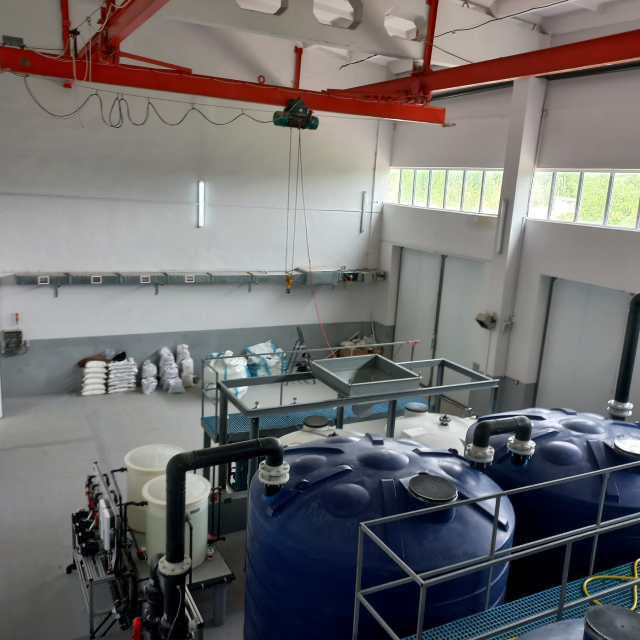
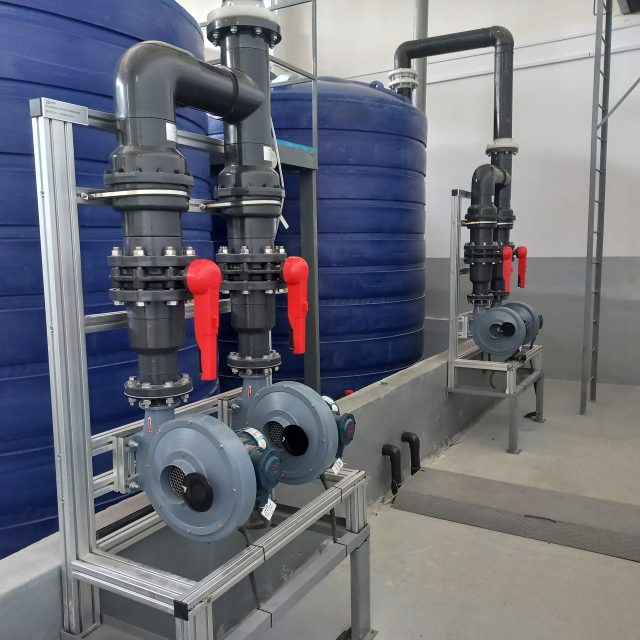
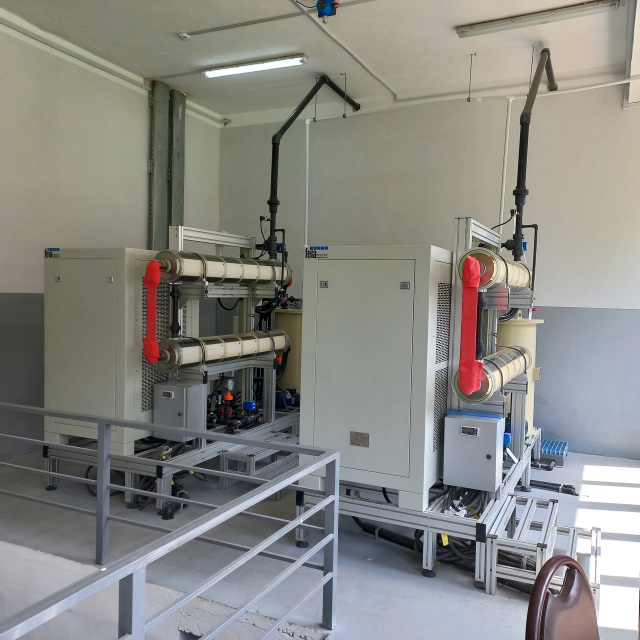
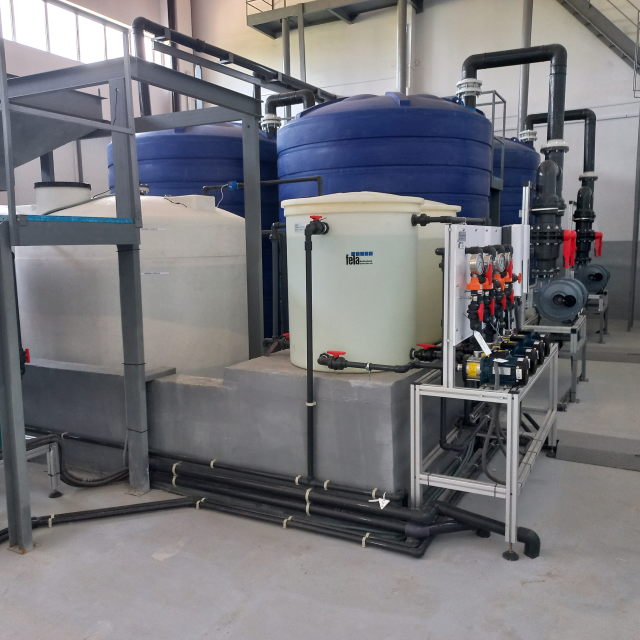
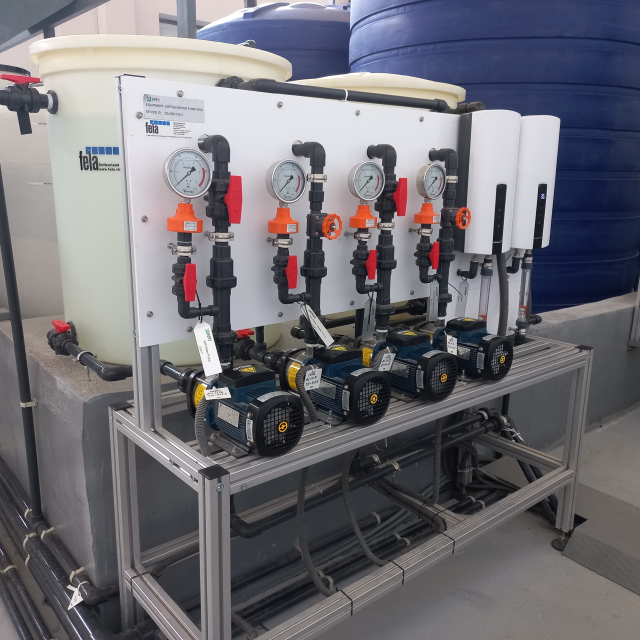
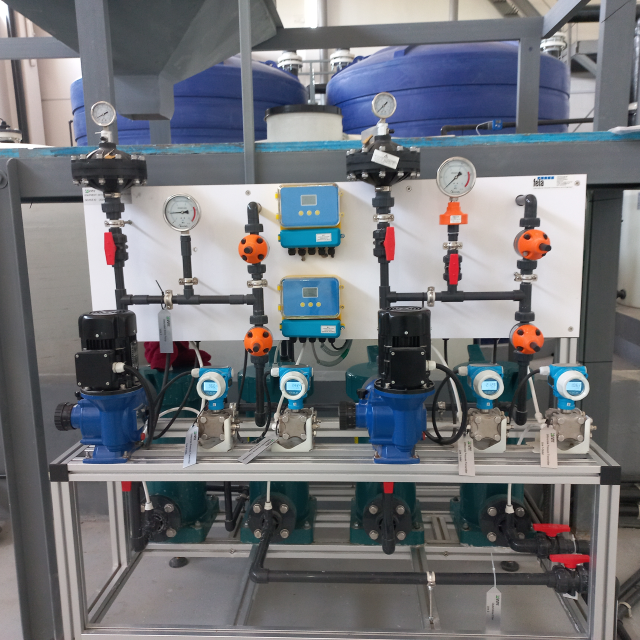
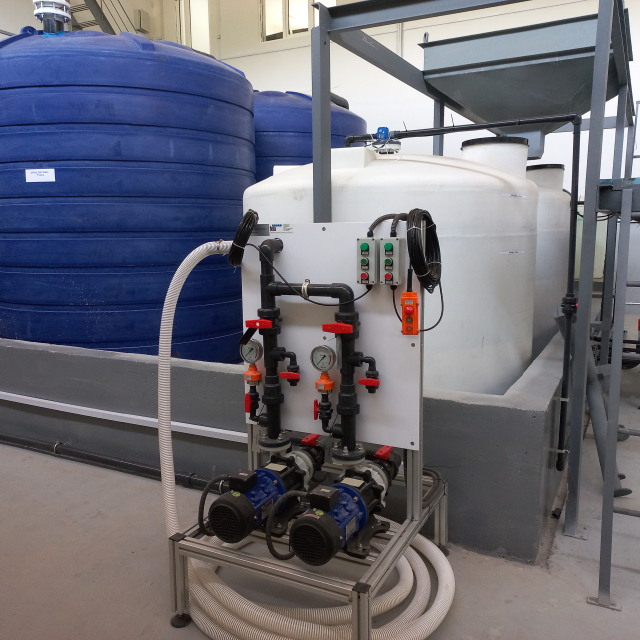
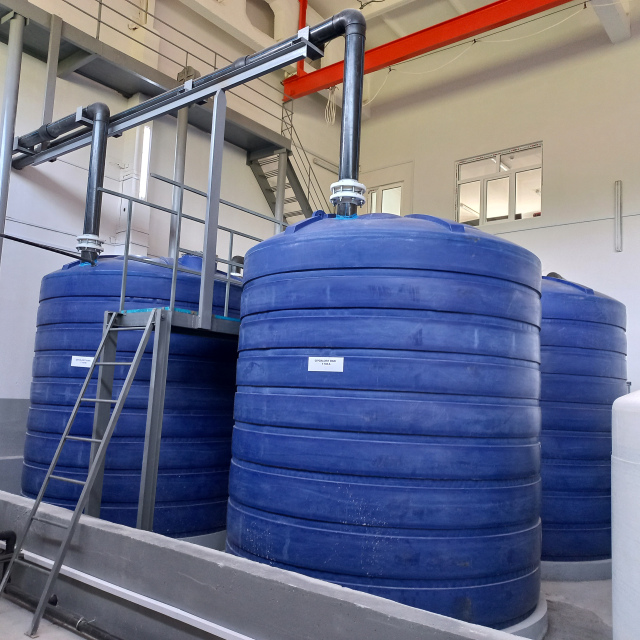
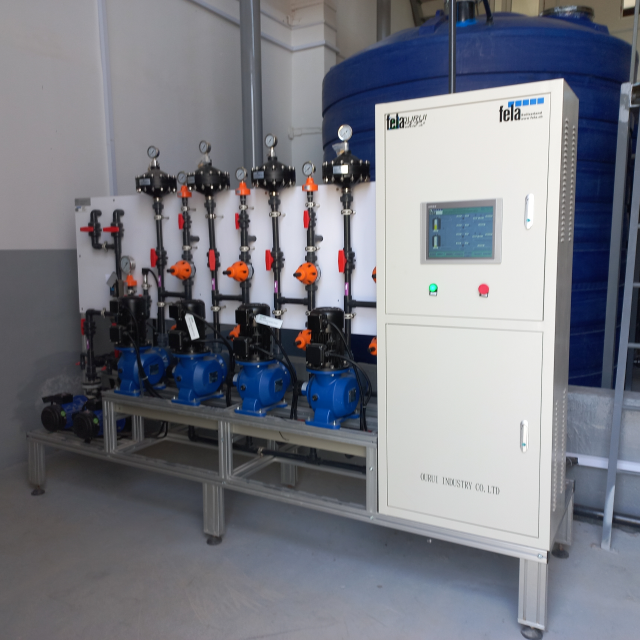
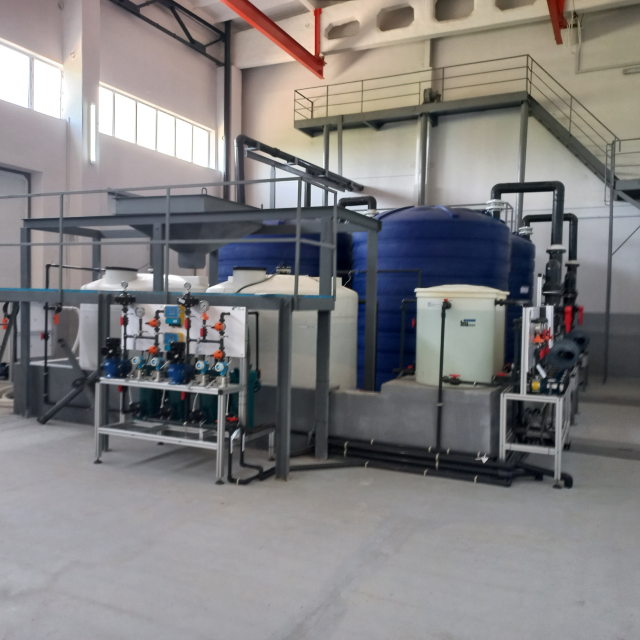
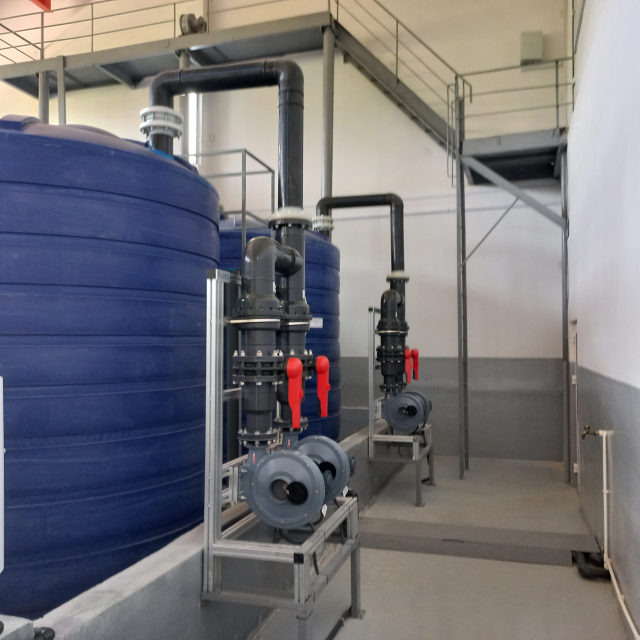
The system was replaced with two automatic sodium hypochlorite production lines producing a solution with 0.6–0.8% free chlorine. Each line has a production capacity of 7 kg/h, resulting in a total output of 378 kg of free chlorine per day. The sodium hypochlorite is produced from locally available salt (NaCl) through electrolysis.
Services Provided by FELA
· Preparation of the complete project documentation in accordance with local regulations required for the building permit
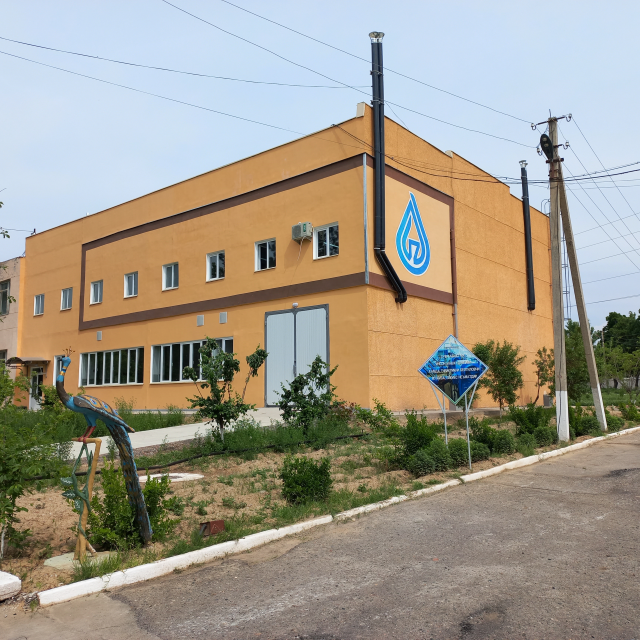
· Reconstruction of the existing chlorination building, including interior and exterior works
· Installation of a new roof, windows, gates, and doors
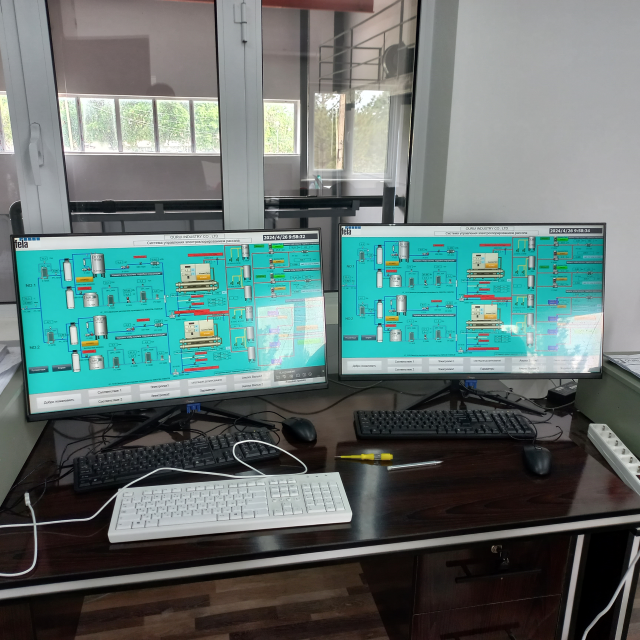
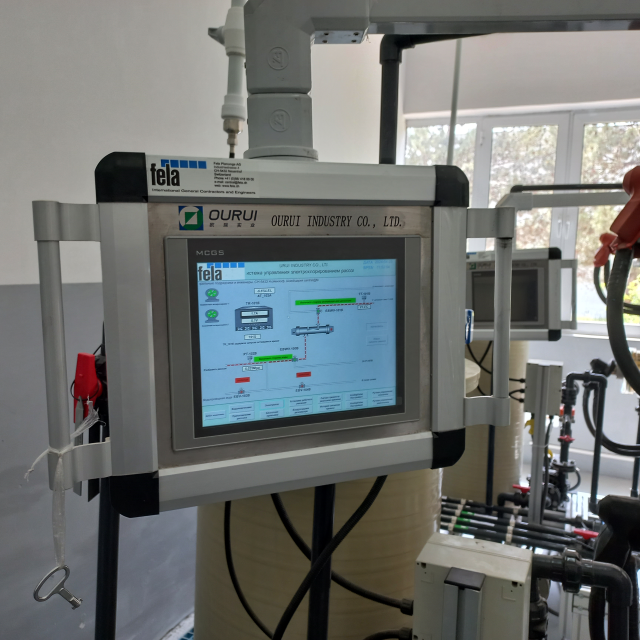
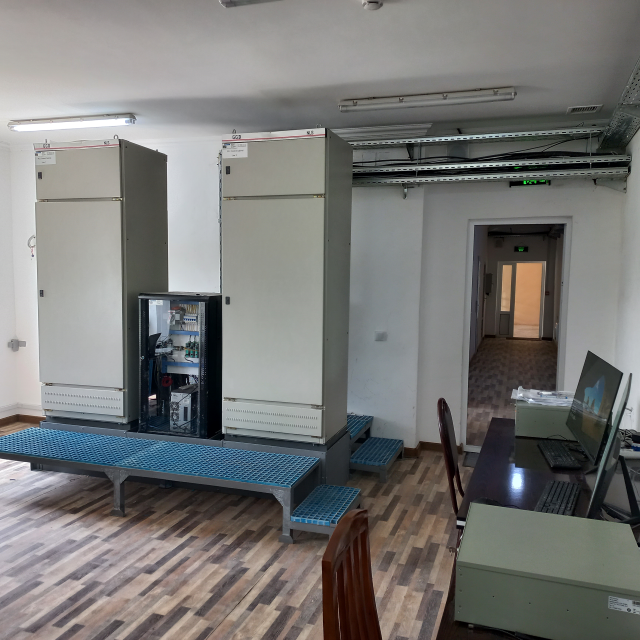
· Construction of an operator control room with SCADA system, a social room with kitchen, and staff facilities including wardrobes, toilets, and showers
· Installation of new electrical connections to the existing transformer stations and internal power distribution, including lighting and connections to the production lines
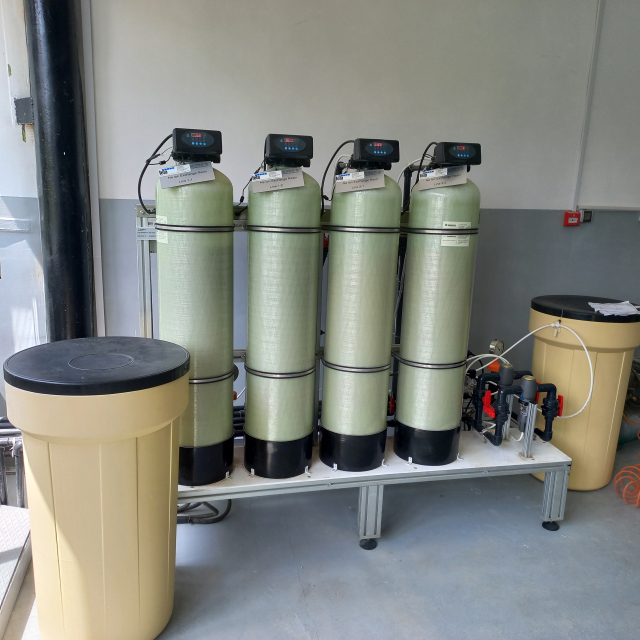
· Installation of new sanitary piping and equipment
· Installation of new epoxy flooring
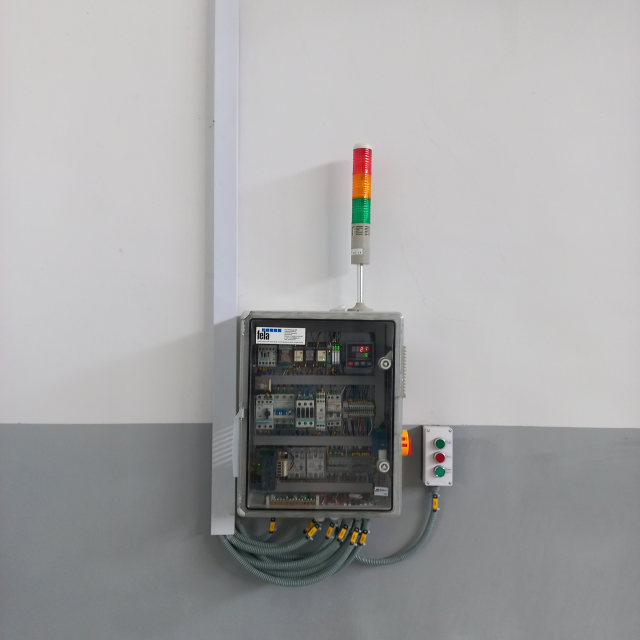
· Supply and installation of two fully independent sodium hypochlorite production lines, each with a capacity of 168 kg of active chlorine per day (7 kg/h)
· Commissioning of the system and training of local operators in operation and maintenance
The building permit, including the required expert approvals, was obtained in August 2023. The approval process included new legal requirements for additional energy efficiency measures, including the installation of a photovoltaic system.
The plant has since been successfully completed and commissioned by end of May 2024.